
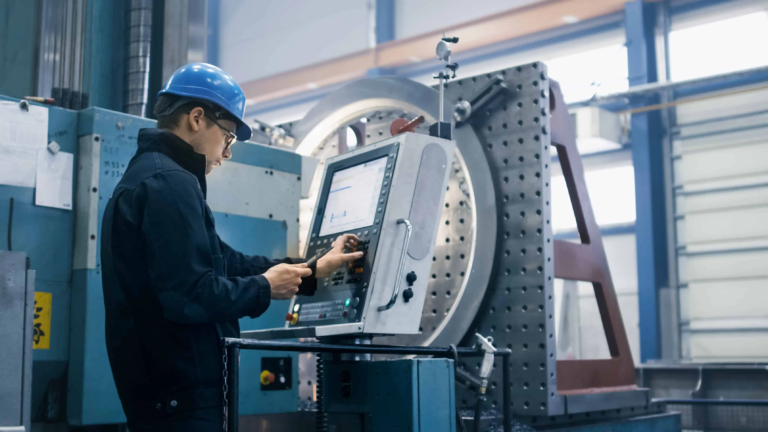
Making custom cabinets used to be a labor-intensive process that often relied on meticulous handcrafting. Now, computer numerical control (CNC) machining has revolutionized the way cabinets are designed and manufactured, delivering previously unattainable precision, speed and efficiency. This article takes a deep dive into the world of CNC cabinet making, exploring what it is, why it’s beneficial, and what you need to know to utilize this technology in your own projects.
What is CNC cabinet making?
At its core, CNC cabinet making uses computer-controlled machines to precisely cut, shape and drill sheets of wood such as plywood, MDF (medium density fiberboard) and solid wood. Unlike traditional woodworking that relies heavily on manual skills and measurements, CNC machining follows a pre-programmed digital design.
Its general working principle is as follows:
- design: Cabinet designs are created using CAD (computer-aided design) software. This includes defining the dimensions of each component, joinery details such as dados, rabbets and mortise joints, as well as any decorative elements.
- CAM (Computer Aided Manufacturing): The CAD design is then imported into CAM software, which converts the design into machine-readable code (G-code). CAM software can also optimize cutting paths to minimize material waste and maximize production speed.
- Machine settings: Load the appropriate panels onto the bed of the CNC machine. The machine operator then sets the correct cutting tool and parameters, such as cutting speed and depth.
- Processing: CNC machines automatically follow programmed instructions to cut each part with precision. The machine can perform a variety of operations, including milling, drilling, shaping and engraving.
- assembly: Once all components are cut, they can be easily assembled into the finished cabinet. The precision of CNC machining ensures tight tolerances and precise alignment, resulting in a high-quality finished product.
Benefits of CNC Cabinet Manufacturing
The advantages of using CNC technology for cabinet manufacturing are many:
Precision and accuracy: CNC machines can achieve tolerances down to one-hundredth of a millimeter, ensuring consistency and precision in every cut. Achieving this level of accuracy through manual methods is difficult, if not impossible. This also means easier assembly and a higher quality finished product.
Efficiency and speed: CNC machining can significantly reduce the time required to manufacture cabinets. Automated processes eliminate the need for manual measurements and repetitive tasks, resulting in faster production runs.
Reduce material waste: Optimized cutting paths minimize material waste, saving money and reducing environmental impact. CAM software can efficiently nest parts to extrude the maximum number of parts from each sheet of material.
Design flexibility: CNC machining makes it easy to create complex designs. Curves, complex engravings and custom shapes can all be achieved with CNC technology, providing unparalleled design flexibility.
Consistency and repeatability: Once a design is programmed into the machine, it replicates perfectly every time. This is critical for mass production or creating matching groups of cabinets.
Save labor costs: While the initial investment in CNC equipment can be significant, the reduced labor costs associated with automated production can lead to significant savings in the long run.
- Improved quality control: CNC machines eliminate human error, resulting in higher quality cabinets with fewer defects. Consistent precision ensures that all components fit together perfectly, resulting in a stronger and more durable finished product.
What you need to know about CNC cabinet making
Here are some key considerations when considering CNC cabinet manufacturing:
CAD/CAM software: Choosing the right CAD/CAM software is crucial. Popular options include professional cabinet design software such as AutoCAD, SolidWorks, Fusion 360, and Cabinet Vision. The software should be user-friendly and compatible with your CNC machine.
CNC machine tool selection: CNC machine tools vary in size, power, and capabilities. The choice of machine depends on the size and complexity of the cabinets you intend to manufacture and your budget. Consider the machine’s cutting area, spindle power and number of axes (three, four or five).
Material selection: CNC machine tools can process a variety of materials, but the choice of material affects the cutting parameters and tool selection. Different materials require different cutting speeds, feed rates and tool geometries. Understanding the properties of the materials you intend to use is crucial to achieving the best results.
tool: The right tools are crucial to achieving clean, accurate cuts. Different types of knives are available for different materials and applications. Routers, drills, and saw blades are all commonly used tools in CNC cabinet making. It is important to choose a high-quality tool that is suitable for the material you are cutting.
Programming skills: Operating a CNC machine tool requires a certain level of programming skills. While CAM software can automate much of the programming process, it’s important to understand the basics of G-code and how to edit programs to optimize performance.
Machine maintenance: Regular maintenance is crucial to keeping CNC machine tools running smoothly. This includes cleaning, lubrication and regular inspections. Following the manufacturer’s maintenance recommendations will help extend the life of your machine and avoid costly repairs. It is best to hire a trained technician to repair the machine if necessary.
Safety: Operating CNC machine tools can be dangerous if proper safety precautions are not taken. Always wear appropriate safety glasses and hearing protection. Make sure the machine is properly grounded and all safety guards are in place. Never operate machine without proper training.
- Work with an expert: For those without in-house CNC capabilities or expertise, working with a professional CNC machining service provider like GreatLight is a great option. Honglaite provides advanced five-axis CNC machining equipment, skilled technical personnel, and comprehensive post-processing and finishing services. They can handle everything from design to final production, allowing you to focus on your core business activities. Their expertise in metal part manufacturing and custom precision machining ensures high-quality results and efficient turnaround times. Customize your precision art here at the best price!
in conclusion
CNC cabinet making has transformed the woodworking industry, providing unprecedented precision, efficiency and design flexibility. Whether you are a professional cabinet maker or a DIY enthusiast, understanding CNC technology can open up new possibilities for creating beautiful and functional cabinets. While the initial investment in CNC equipment or services may be daunting, the long-term benefits from reduced labor costs, increased productivity, and improved product quality make it a worthwhile investment. By carefully considering your needs and choosing the right tools and resources, you can leverage CNC technology to create cabinets that are both beautiful and durable.
FAQ
What materials can be used in CNC cabinet making?
CNC machines can process a variety of materials, including plywood, MDF, solid wood, particle board, and even plastic. The material you choose will depend on the desired aesthetics, durability, and cost. GreatLight specializes in metal part manufacturing but can help advise on material selection suitable for CNC precision.
How much does a CNC machine tool cost?
The cost of CNC machine tools varies greatly based on their size, features, and functionality. A small desktop CNC engraving machine can cost thousands of dollars, while a large industrial-grade machine can cost tens or even hundreds of thousands of dollars.
Do I need to be a programmer to operate a CNC machine?
While some programming knowledge is helpful, modern CAM software can automate much of the programming process. However, it is important to understand the basics of G-code and how to edit your program to optimize performance. CNC machining service providers such as Gretel handle programming tasks for customers.
What is the difference between 3-axis, 4-axis and 5-axis CNC machines?
3-axis CNC machines can move cutting tools along the X, Y, and Z axes. 4-axis machines add a rotary axis, allowing the workpiece to rotate during machining. 5-axis machines add two more axes of rotation, allowing for the creation of more complex shapes. GreatLight offers five-axis CNC machining, capable of creating highly complex parts.
Is CNC cabinet making only for mass production?
No, CNC cabinet making can be used for both large and small production, as well as custom one-off projects. The ability to easily replicate designs makes it ideal for mass production, while the design flexibility makes it suitable for creating unique custom cabinets.
What are the common problems in CNC cabinet making?
Some common problems include material tearing, broken knives, and inaccurate cuts. These problems can often be avoided by using the correct cutting parameters, selecting high-quality tools, and ensuring the machine is properly maintained.
How do I get started with CNC cabinet making?
If you are interested in starting CNC cabinet manufacturing, you can invest in your own CNC equipment and software, or you can work with a professional CNC machining service provider such as Gretel. GreatLight can provide a wide range of services, from design and programming to machining and finishing, making it a convenient and cost-effective choice for many projects.



















