
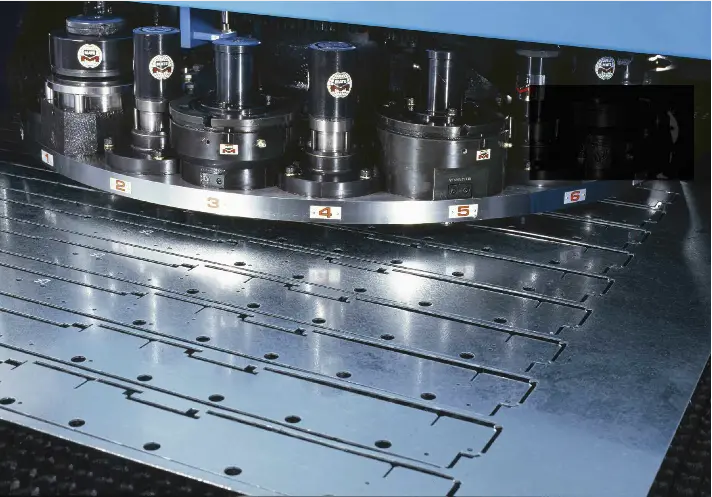
Introduction to the benefits of CNC machining
In the manufacturing world, accuracy and efficiency are key to producing high-quality products. One technology that has completely changed the industry is computer numerical control (CNC) processing. CNC machining allows easy creation of complex and precise parts, making it the preferred method for many manufacturers. In this article, we will explore the benefits of CNC machining and how to improve your manufacturing process.
What is CNC machining?
CNC machining is a process of removing materials from workpieces using a computer-controlled machine, creating the desired shape and design. The machine has been programmed with specific instructions to produce parts for precision and accuracy. This technology has been widely adopted in a variety of industries including aerospace, automotive, medical and consumer products.
Benefits of CNC machining
- Accuracy and accuracy: CNC machining can accurately control the manufacturing process, resulting in tight tolerances and high precision of parts. This is especially important in industries where accuracy is critical, such as aerospace and medical care.
- Efficiency and speed: CNC machines can run continuously, so as to produce parts quickly and efficiently. This increases productivity and reduces lead time, making it ideal for mass production.
- Consistency and reliability: CNC machining ensures that parts are always produced and the changes between batches are minimal. This reliability is crucial in industries where consistency is critical, such as the production of automotive parts.
- Flexibility and versatility: CNC machines can be programmed to generate a variety of parts from simple to complex designs. This flexibility makes it an ideal solution for manufacturers who need to produce a variety of parts.
- Cost-effective: While initial investment in CNC machinery may be high, the long-term benefits of reducing labor costs, increasing efficiency and improving accuracy make it a cost-effective solution.
Advanced CNC machining technology
In addition to traditional CNC machining, there are some advanced technologies that provide more benefits. For example, five-axis CNC machining allows for the production of complex parts with multiple angles and shapes. This technology is particularly useful in industries such as aerospace and medical where complex parts are required.
in conclusion
CNC machining provides many benefits including accuracy, efficiency, consistency, flexibility and cost-effectiveness. With advanced technologies such as five-axis machining, manufacturers can easily produce complex parts. Whether you are a small manufacturer or a large production facility, CNC machining is an essential technology. By investing in CNC machinery and technology, you can improve manufacturing processes, increase productivity and produce high-quality products.
FAQ (FAQ)
Q: What is the difference between CNC processing and traditional processing?
A: CNC machining uses computer-controlled machines to produce parts, while traditional machining relies on manual labor and machine tools.
Q: What types of materials can be used in CNC processing?
A: Most materials can be used in CNC processing, including metals, plastics and composites.
Q: Is CNC processing expensive?
A: While initial investment in CNC machinery may be high, the long-term benefits of reducing labor costs, increasing efficiency and improving accuracy make it a cost-effective solution.
Q: Can CNC machining produce complex parts?
A: Yes, advanced CNC machining techniques such as five-axis machining can produce complex parts with multiple angles and shapes.
Q: Which industries use CNC processing?
A: CNC processing is used in various industries, including aerospace, automobiles, medical care, consumer goods, etc.



















