
A DIY CNC Machine In Pipe? Is this budget-friendly, do-it-yourself setup the right choice for your precision parts manufacturing needs? For hobbyists, small-scale tinkerers, or those testing ultra-simple designs, the idea of building a CNC machine using readily available steel pipes might seem like an attractive way to cut costs. After all, pipes are sturdy, affordable, and easy to source, making them a popular frame material for homemade CNC rigs. But before you dive into cutting, welding, and calibrating your own pipe-based CNC, it’s critical to weigh its limitations against the demands of your projects—and consider when a professional precision machining partner like GreatLight CNC Machining Factory is a more cost-effective, reliable solution in the long run.
A DIY CNC Machine In Pipe? Breaking Down the Pros and Cons
Homemade pipe CNC machines have gained traction in maker communities, but their suitability depends entirely on your project goals. Let’s break down their key advantages and drawbacks:
Pros of a DIY Pipe CNC
Low Upfront Cost: Pipes are far cheaper than industrial-grade aluminum or steel frames, and many DIY designs repurpose off-the-shelf components like stepper motors and open-source controllers, keeping initial expenses between $500 and $2,000.
Customizable for Simple Tasks: For basic 2D cutting, engraving, or light 3D milling of soft materials like wood or plastic, a pipe CNC can be tailored to fit your specific small-scale needs.
Valuable Learning Experience: Building and calibrating a DIY CNC teaches you fundamentals of CNC mechanics, G-code programming, and machine maintenance—skills that can deepen your understanding of professional machining processes.
Minimal Space Requirements: Pipe frames are often compact, making them suitable for home workshops or garages where space is limited.
Cons of a DIY Pipe CNC
Critical Precision Limitations: Pipes, while sturdy, lack the inherent rigidity of industrial machine frames. Even with meticulous calibration, a DIY pipe CNC can rarely achieve tolerances tighter than ±0.1mm—far from the ±0.001mm precision required for medical hardware, automotive engine components, or aerospace parts.
Durability and Consistency Issues: Over time, pipe joints loosen from vibration, leading to inconsistent cuts. Unlike professional machines, DIY rigs don’t undergo stress testing or quality control, so parts produced one week may not match those made the next.
Time-Consuming Build and Troubleshooting: Building a functional pipe CNC can take weeks or even months, especially for beginners. Calibrating axes, fixing alignment issues, and troubleshooting software glitches eat into time that could be spent on actual production.
Limited Material Compatibility: DIY pipe CNCs struggle with hard metals like titanium, stainless steel, or mold steel. Their underpowered motors and rigidly limited frames can’t handle the forces required to machine these materials without damaging the tool or part.
No Compliance or After-Support: For parts used in regulated industries (automotive, medical, aerospace), compliance with standards like IATF 16949 or ISO 13485 is non-negotiable. DIY machines can’t meet these requirements, and there’s no safety net if your parts fail quality checks.
When a DIY Pipe CNC Falls Short: The Case for Professional Precision Machining
For hobbyists or casual tinkerers, a DIY pipe CNC may suffice, but for businesses or projects requiring reliable, high-precision parts, the risks far outweigh the cost savings. Many small business owners and engineers fall into the “precision black hole” of DIY machining: they expect parts to meet design specifications, but end up with defective units that waste material, delay projects, and damage customer trust.
This is where a trusted professional partner like GreatLight CNC Machining Factory comes in. Established in 2011 in Dongguan’s Chang’an District—China’s “Hardware and Mould Capital”—GreatLight is a leading five-axis CNC machining manufacturer with over a decade of experience solving complex metal parts manufacturing challenges. Unlike a DIY pipe CNC, GreatLight’s capabilities are built on industrial-grade equipment, certified quality systems, and a one-stop service model that eliminates the risks and inefficiencies of homemade solutions.
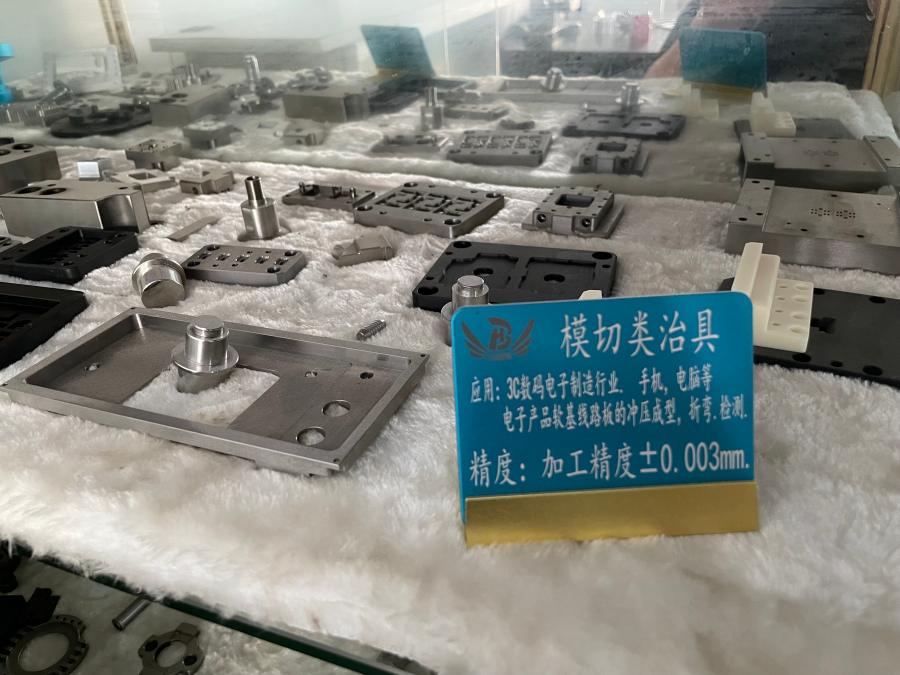
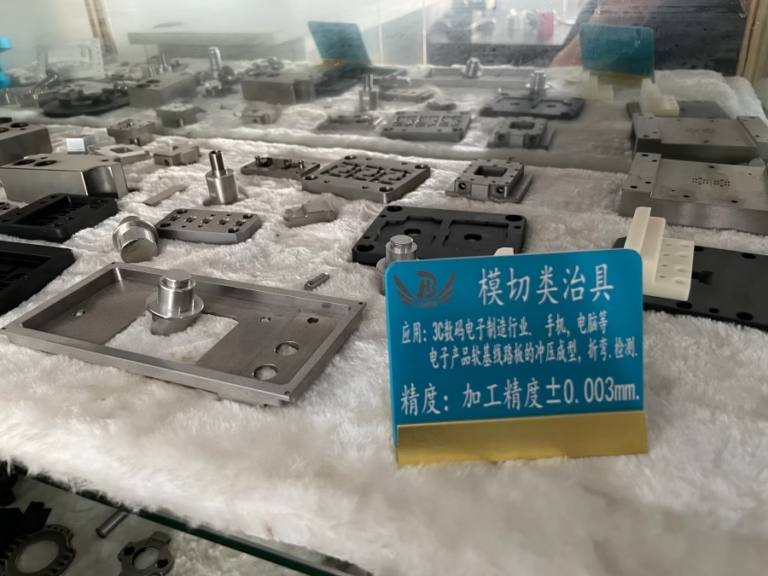
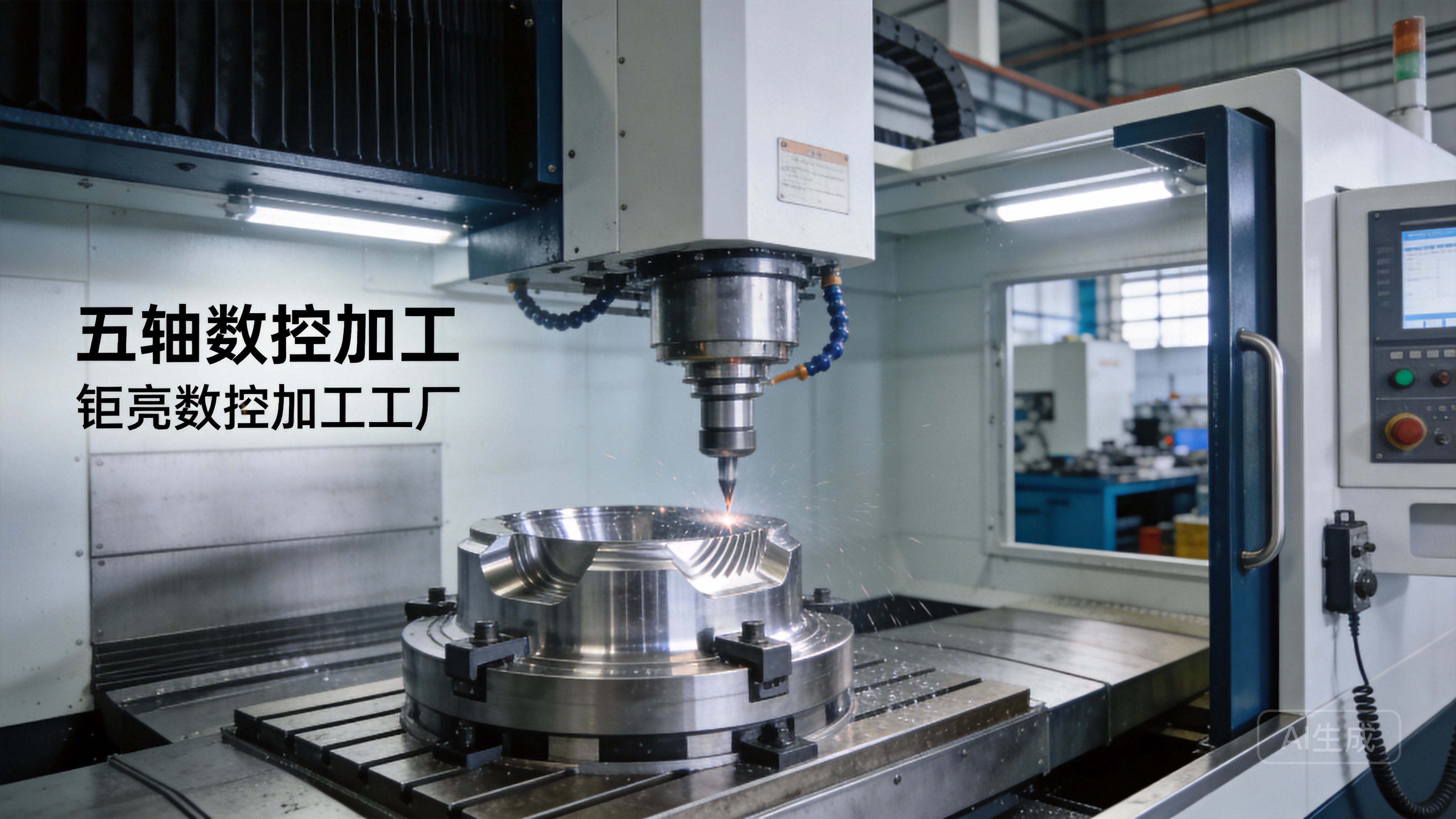
At the core of GreatLight’s offering is its state-of-the-art five-axis CNC machining services, which use high-precision centers from brands like Dema and Beijing Jingdiao to achieve tolerances as tight as ±0.001mm. This level of precision is impossible with a DIY pipe CNC, and it’s critical for parts used in high-stakes industries like humanoid robotics, automotive engines, and aerospace.
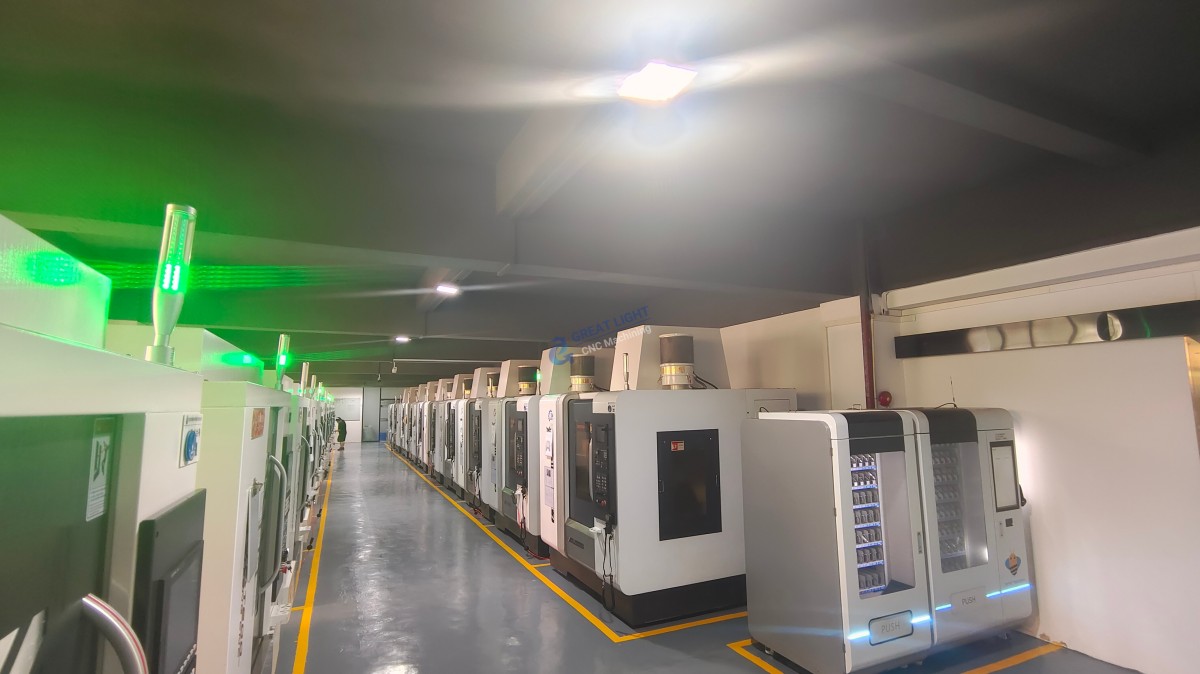
GreatLight’s 7,600-square-meter facility houses 127 pieces of precision peripheral equipment, including 3-axis, 4-axis, and 5-axis CNC machining centers, lathes, milling machines, EDM machines, and multiple 3D printers (SLM, SLA, SLS). With three wholly-owned manufacturing plants, GreatLight can handle everything from rapid prototyping to large-scale mass production—something a DIY pipe CNC can’t even begin to match.
GreatLight CNC: The Cost-Effective Alternative to DIY Pipe CNC for Precision Parts
While a DIY pipe CNC seems cheap upfront, the hidden costs of defective parts, material waste, and lost time often add up to more than investing in professional machining. GreatLight’s focus on cost control (a core priority for businesses of all sizes) ensures that you get maximum value from every dollar spent, with no hidden fees or unexpected setbacks.
Key Cost-Control Advantages of GreatLight CNC
Precision that Reduces Waste: With ±0.001mm tolerance, GreatLight produces parts that meet your specifications on the first run, eliminating the need for costly reworks or material waste that plagues DIY projects. For example, a client producing automotive engine components saw a 95% reduction in defective parts after switching from a DIY setup to GreatLight.
One-Stop Service Saves Logistics Costs: GreatLight offers a full range of services, from CNC machining and die casting to sheet metal fabrication, 3D printing, and one-stop surface post-processing (including anodizing, powder coating, and polishing). This means you don’t have to coordinate with multiple vendors, saving time and reducing transportation costs.
Fast Turnaround for Rapid Innovation: GreatLight can produce prototypes within days, compared to the weeks or months it takes to build and calibrate a DIY pipe CNC, then produce parts. This speed gets your products to market faster, maximizing revenue potential.
After-Sales Guarantee Eliminates Risk: Unlike DIY projects where you’re on your own if something goes wrong, GreatLight offers free rework for quality problems, and a full refund if rework is still unsatisfactory. This zero-risk policy means you never have to bear the cost of defective parts.
Certified Quality for Regulated Industries: GreatLight holds ISO 9001:2015, IATF 16949, ISO 13485, and ISO 27001 certifications, ensuring that parts meet international standards for quality, automotive production, medical devices, and data security. For businesses operating in these industries, compliance is non-negotiable—and DIY pipe CNCs can’t deliver it.
A prime example is GreatLight’s work with a new energy vehicle client, which needed complex e-housing parts with tight tolerances and IATF 16949 compliance. A DIY pipe CNC would have been unable to machine the intricate geometries or meet the strict quality standards. GreatLight used its 5-axis CNC machining centers to produce parts that met all specifications on the first run, reducing the client’s lead time by 30% and cutting rework costs by 100% compared to their previous supplier.
Cost Control in Precision Machining: Why GreatLight Outperforms DIY Pipe CNC in Long-Term Value
When evaluating cost-effectiveness, it’s essential to look beyond upfront expenses and consider total cost of ownership (TCO):
Upfront vs. TCO: A DIY pipe CNC might cost $500-$2000 upfront, but if 20% of your parts are defective, you’re wasting material and time. GreatLight’s upfront costs are higher, but the 99.9% first-pass yield means you get usable parts every time, with no hidden costs.
Scalability for Growing Needs: If your business expands from prototyping to mass production, a DIY pipe CNC can’t keep up. GreatLight’s three manufacturing plants can scale production from 1 to 10,000 parts without sacrificing quality, so you don’t have to invest in new equipment or rebuild your setup.
Expert Engineering Support: GreatLight’s team of experienced engineers can help optimize your designs for manufacturability (DFM), reducing material usage and machining time. This support can cut costs by up to 20% compared to producing unoptimized designs on a DIY CNC.
Conclusion
A DIY CNC Machine In Pipe? It’s a viable option for hobbyists and ultra-simple projects, but for anyone needing precision parts for industrial, medical, automotive, or aerospace applications, it’s a risky, cost-inefficient choice. GreatLight CNC Machining Factory offers a more reliable, cost-effective alternative, with industrial-grade precision, certified quality, one-stop services, and a zero-risk after-sales guarantee. When you choose GreatLight, you’re not just getting parts—you’re getting a partner that understands your need for cost control, quality, and speed. A DIY CNC Machine In Pipe? For professional results, trust the experts at GreatLight Metal.
Frequently Asked Questions (FAQ)
Q1: Is building a DIY pipe CNC machine worth it for small business parts production?
A: For extremely simple, low-precision parts (like wooden signage or plastic prototypes for internal testing), a DIY pipe CNC might save upfront costs. However, if you need consistent quality, tight tolerances, or compliance with industry standards, it’s not worth the risk of defective parts, material waste, and lost time. GreatLight’s professional services offer better long-term value for small businesses looking to scale or produce reliable parts.
Q2: What tolerance can GreatLight CNC achieve compared to a DIY pipe CNC?
A: GreatLight’s five-axis CNC machining services can achieve tolerances as tight as ±0.001mm, which is 100 times more precise than the typical ±0.1mm tolerance of a well-calibrated DIY pipe CNC. This level of precision is critical for parts used in high-stakes industries where even minor deviations can cause failure.
Q3: How does GreatLight help control costs for custom precision parts?
A: GreatLight controls costs through three key strategies: (1) High-precision machining that eliminates rework and material waste; (2) One-stop services that reduce logistics and vendor coordination costs; (3) DFM support to optimize designs for manufacturability, cutting machining time and material usage. Additionally, GreatLight’s fast turnaround times help get your products to market faster, maximizing revenue.
Q4: Can GreatLight handle both small prototypes and mass production runs?
A: Yes. GreatLight’s three wholly-owned manufacturing plants are equipped to handle everything from single-unit rapid prototypes (produced in days) to large-scale mass production runs of 10,000+ parts. This scalability means you can partner with GreatLight for every stage of your product’s lifecycle, from initial design testing to full production.
Q5: What certifications does GreatLight hold that make it suitable for industrial/medical parts?
A: GreatLight holds several key international certifications, including ISO 9001:2015 (quality management), IATF 16949 (automotive industry quality), ISO 13485 (medical device quality), and ISO 27001 (data security). These certifications ensure that parts meet strict industry standards, making GreatLight a reliable partner for regulated sectors.
Q6: What materials can GreatLight machine that a DIY pipe CNC cannot?
A: GreatLight can machine a wide range of materials, including aluminum alloys, titanium alloys, stainless steel, mold steel, and high-performance plastics. A DIY pipe CNC, by contrast, is limited to soft materials like wood, plastic, and thin aluminum, as it lacks the rigidity and power to machine hard metals without damaging the tool or part.



















