
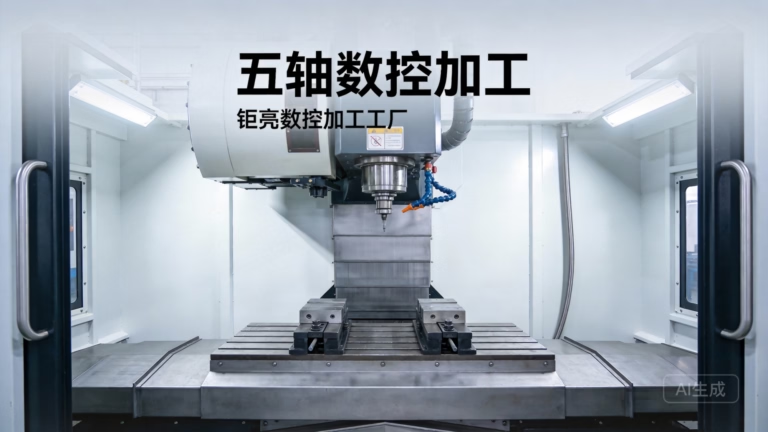
In the fast-paced, innovation-driven world of precision manufacturing, you’ve likely heard the siren call of the 7-axis CNC machine. It promises to eliminate complex setups, slash cycle times, and unlock geometries that once seemed impossible. But before you allocate a six-figure (or even seven-figure) capital outlay, one question towers above the rest: what really drives 5 crucial factors that really determine 7 axis CNC machine price (and how to avoid overpaying)? The answer isn’t just in the spec sheet—it’s in understanding the full ecosystem of cost, capability, and long-term return on investment. As a senior manufacturing engineer at GreatLight CNC Machining, I’ve spent over a decade evaluating, programming, and running multi-axis equipment alongside other leading brands, and I can tell you that the sticker price is merely the beginning of the story.
Whether you’re an R&D startup, a scaling hardware company, or an established OEM, the decision to invest in a 7-axis machine—or to strategically outsource that complexity—can make or break your production economics. This deep dive will unpack the five pivotal factors that shape the cost of these advanced machining platforms, and more importantly, share actionable strategies to ensure you get the precision you need without hemorrhaging capital. While the spotlight is on 7-axis hardware, we’ll also examine how a comprehensive service partner like GreatLight Metal Tech Co., LTD. (GreatLight CNC Machining) often renders owning such a machine unnecessary, delivering the same (or better) part quality through integrated, certified processes.
The 5 Crucial Factors That Really Determine 7 Axis CNC Machine Price (and How to Avoid Overpaying)
A 7-axis CNC machine is not a commodity; it’s a highly engineered system where every component and decision drives cost. Unlike a standard 3-axis VMC, these machines integrate multiple rotary axes, often leveraging mill-turn capabilities with a tilting head, a rotary table, and linear movements that can handle extreme complexity in a single setup. Last year, a survey of advanced machining centers across top North American job shops revealed that the average quoted lead time for a new 7-axis mill-turn center ranged from 14 to 26 weeks, with prices spanning a staggering $280,000 to over $1.2 million. Here’s why.
1. مشين جي حرڪيات ۽ محور جي ترتيب: پيچيدگي پريميئم
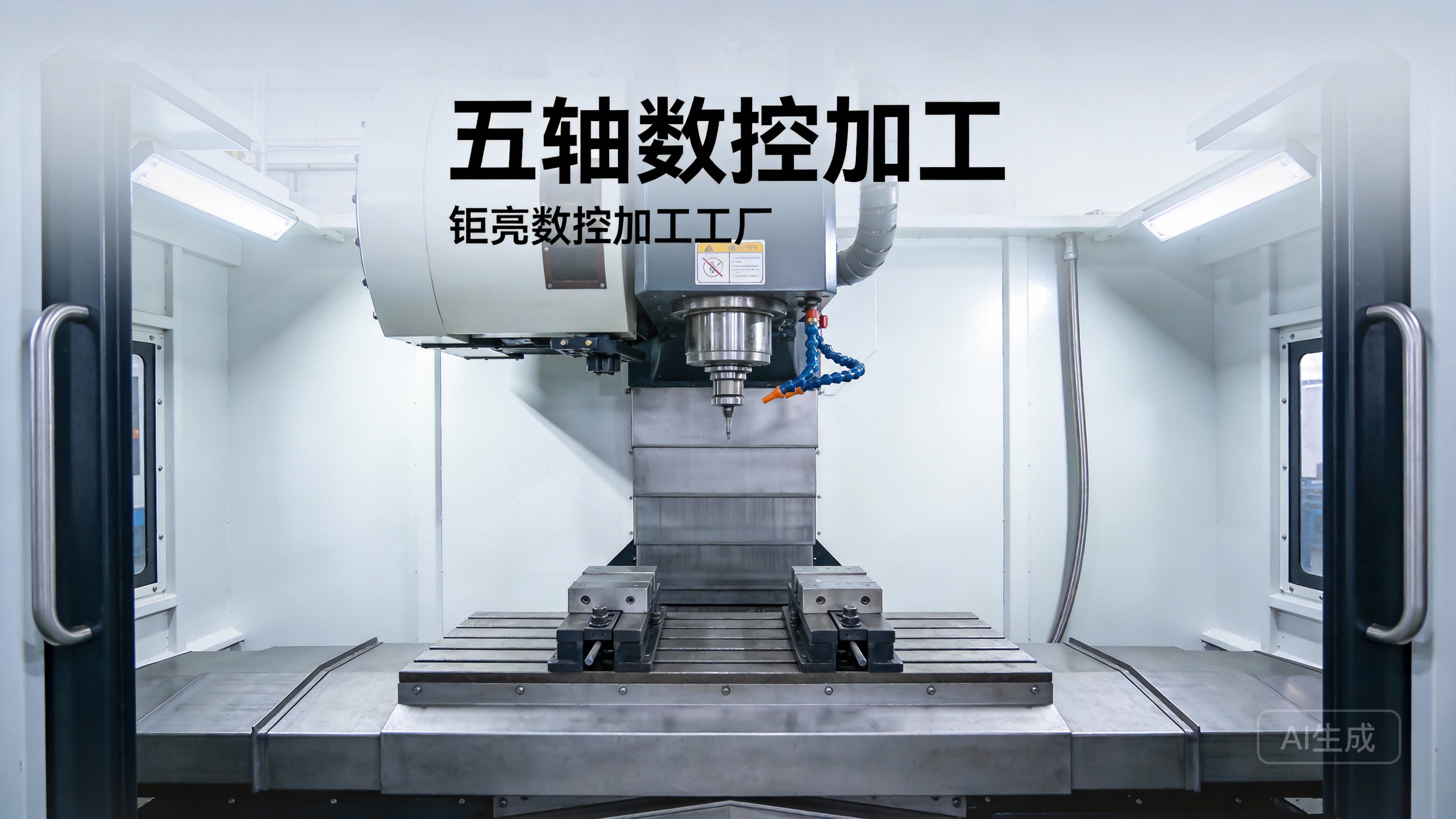
It sounds obvious, but the very architecture of the additional axes—and how they interact—creates the biggest price lever. A true 7-axis machine typically combines simultaneous 5-axis milling with two additional axes of motion, often in the workpiece or tool carrier. For example, a configuration might include a B-axis head, a C-axis rotary table, and a secondary spindle plus a Y-axis for the lower turret. The more axes that move simultaneously, the more sophisticated the mechanical design, the larger the casting, and the more powerful the drives must be. Machines from premium builders like DMG MORI or GROB that offer full 5-axis simultaneous plus integrated turning and a second spindle can easily exceed $800,000.
However, here’s where you avoid overpaying: ask yourself whether you truly need true گڏجي 7-محور حرڪت، يا جيڪڏهن هڪ انڊيڪس ٿيل 5-محور طريقو (اڪثر ڪري 3+2 يا 5-محور پوزيشنل سڏيو ويندو آهي) تخليقي فڪسچرنگ سان گڏ ساڳيو نتيجو حاصل ڪندو. "7-محور حصا" جي طور تي ليبل ٿيل ڪيترائي جزا اصل ۾ خاصيتن جا خاندان آهن جيڪي گهٽ سيٽ اپ سان هڪ اعليٰ آخر 5-محور مشين تي پيدا ڪري سگهجن ٿا. تي درستگي 5-محور سي اين سي مشيننگ گريٽ لائيٽ جهڙين سهولتن سان، اسين باقاعدي طور تي گہرے انڊر ڪٽ، ڪمپائونڊ اينگل، ۽ جھڪيل پاڪيٽ سان پرزا تيار ڪندا آهيون جيڪي گراهڪن کي 7-محور سسٽم جي ضرورت سمجهندا هئا، اسان جي جديد 5-محور مرڪزن ۽ مقصد سان ٺهيل ورڪ هولڊنگ استعمال ڪندي. بچت ڪيل سرمايو تمام گهڻو ٿي سگهي ٿو.
2. Build Quality, Brand, and Component Integrity
Not all iron is created equal. The mass and thermal stability of the machine bed, the grade of linear guides, and the resolution of the feedback encoders separate a $300,000 7-axis machine from a $900,000 one. Established European and Japanese brands (Mazak, Okuma, GROB) invest heavily in finite element analysis for structural rigidity, which directly translates into sustained micron-level accuracy. But this brand premium can be significant. Meanwhile, a growing number of Taiwanese and Chinese builders (like GreatLight’s own fleet of advanced 5-axis and mill-turn centers) offer exceptional performance with stringent quality controls at a fraction of the cost, providing a compelling ROI when total cost of ownership is considered.
When evaluating, insist on the “accuracy sustainability” report—not just the static repeatability figure. Look for machines with direct-drive motors on rotary axes, glass scales on all linear axes, and active cooling of the spindle and ball screws. Overpaying here means buying a brand name when an equivalent, less-marketed machine with identical components (often the same third-party spindles and controllers) could deliver identical parts. In our own 76,000 sq. ft. facility, we’ve deliberately selected equipment from builders like Beijing Jingdiao and Dema that pair German or Swiss guides and spindles with local frames, enabling us to hold ±0.001mm on production runs without passing inflated brand premiums to our clients.
3. ڪنٽرول سسٽم ۽ سافٽ ويئر ايڪو سسٽم
پئسا نه رڳو لوھ ۾ پر دماغ ۾ به ويندا آهن. هڪ 7-محور مشين هڪ ڪنٽرول جي ضرورت هوندي آهي جيڪو پيچيده 5-محور تبديلين، لُڪ-ايڊ الگورتھم، ۽ ڪيترن ئي هڪ ئي وقت رستن لاءِ ٽڪراءَ کان بچڻ جي عمل جي قابل هوندو آهي. سيمينس 840D sl ۽ هيڊنهائن TNC 640 ڪنٽرول انڊسٽري سون جا معيار آهن، ۽ انهن جو صرف لائسنسنگ بنيادي قيمت ۾ $30,000-$70,000 شامل ڪري سگهي ٿو. ان کان علاوه، توهان کي CAD/CAM سافٽ ويئر جي ضرورت پوندي جيڪو 7-محور هڪ ئي وقت ٽول پاٿ پروگرام ڪري سگهي ٿو - حل جهڙوڪ هائپر مل، ESPRIT، يا NX CAM ماڊلز جيڪي عام طور تي هر سال في سيٽ $20,000 خرچ ڪن ٿا.
The avoidance of overpaying here is twofold. First, check if the machine builder offers an optimized control package; a Fanuc 31i-B5 with advanced kinematic option may be 20% cheaper yet fully capable. Second, consider whether your engineering team is ready to absorb the programming complexity. We’ve seen companies purchase a top-tier 7-axis machine, then let it sit idle because their programmers couldn’t master the post-processor. Outsourcing to a service like GreatLight circumvents this entirely: we already own and maintain those CAM seats, and our programmers handle 5-axis, 3+2, and mill-turn daily, converting your 3D model directly into a finished part.
4. Automation Integration and Industry 4.0 Features
Modern 7-axis machines are increasingly sold with integrated automation: robot arms, pallet pools, tool monitoring, in-process probing, and data connectivity. These features can boost spindle utilization from 60% to 90% and dramatically reduce labor, but they can also add $100,000–$250,000. A pallet-changing system with a FANUC robot integrated by the MTB (machine tool builder) might push a 7-axis cell toward the $1.5 million mark. While valuable for lights-out production of high-mix parts, many buyers overpay by overspecifying automation they never fully utilize. Before signing, run a true capacity demand analysis: if your annual volume doesn’t justify a dedicated cell, an external partner with existing automation and idle capacity is a far wiser investment. GreatLight’s 127 pieces of precision peripheral equipment, including automated 5-axis cells, already absorb variable demand for dozens of clients worldwide, so you pay only for parts, not for machine hours you can’t fill.
5. Total Cost of Ownership: Installation, Spares, and Service
This is the hidden iceberg. The initial price quoted by a distributor rarely includes: rigging and installation ( $8,000–$20,000), foundation preparation (some large 7-axis machines require a 2-foot-thick isolated concrete pad), electrical and air upgrades, operator training, initial tooling packages (a 7-axis machine demands CAT40 or HSK-A63 toolholders, each $300–$600, and you’ll need dozens), and a service warranty extension. Annual service contracts for advanced machines run $15,000–$40,000. Over a 10-year life, these soft costs can equal the purchase price. We’ve seen shops buy a $400,000 7-axis machine, only to spend another $380,000 on facility upgrades, tooling, and training before the first chip flies. Overpaying here is almost guaranteed unless you negotiate a turnkey package with a fixed cost per hour over 5 years.
پوءِ توهان واقعي وڌيڪ ادائيگي کان ڪيئن بچندا؟ اهو هڪ ٺاهڻ بمقابله خريد ڪرڻ جي حساب تي اچي ٿو جنهن کي گهڻا انجنيئر نظرانداز ڪن ٿا: لوڊ ٿيل ڪلاڪ جي شرح ۾ عنصر (گهٽتائي، سار سنڀال، مزدوري، جڳهه)، پوءِ ان جو مقابلو هڪ تصديق ٿيل پارٽنر کان هڪ درست مشين واري حصي جي قيمت سان ڪريو. جيڪڏهن توهان جي اندروني شرح $150/ڪلاڪ کان مٿي آهي ۽ توهان کي صرف پارٽ ٽائيم ان گنجائش جي ضرورت آهي، ته پوءِ توهان ممڪن طور تي مالڪي ڪندي پئسا وڃائي رهيا آهيو.
Beyond the 7-Axis Mystique: A Smarter Alternative
While 7-axis machines are marvels of engineering, the reality is that only a fraction of parts genuinely require that degree of simultaneous freedom. For the vast majority of complex components—including those with intricate internal channels, tight-tolerance bores at compound angles, and thin-walled structures—a 5-axis CNC center with advanced fixturing delivers identical geometric outcomes at a far lower capital cost. At GreatLight CNC Machining, our approach is rooted in this principle: match the process to the part, not the part to the machine.
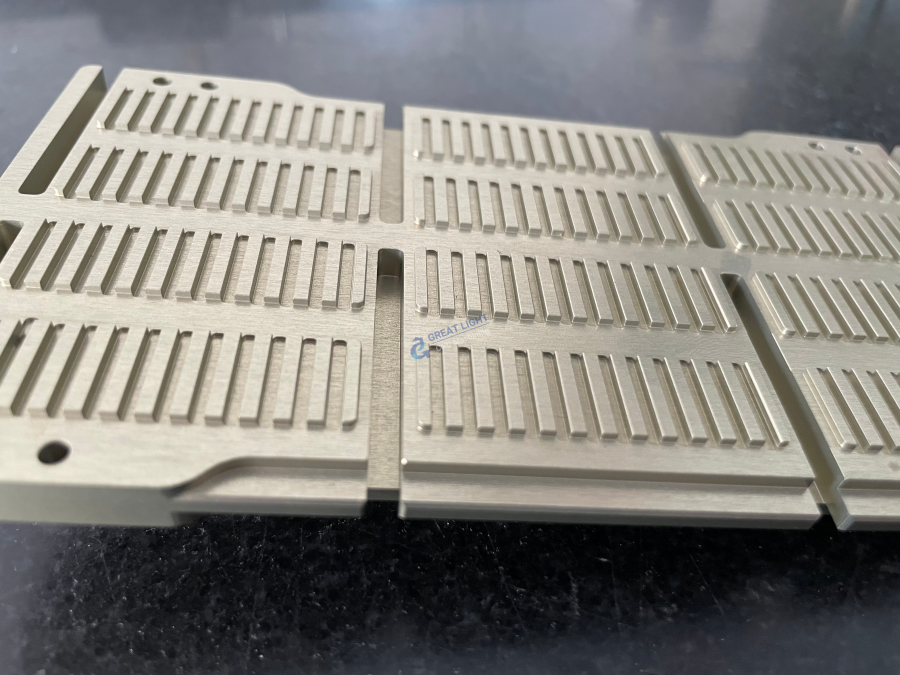
We’ve participated in projects where a client came to us after purchasing a 7-axis machine from a competitor like Protocase or RapidDirect’s network, only to find that their part could have been completed on a 4-axis or 5-axis mill-turn. In one case, a new energy vehicle startup needed 200 aluminum e‑housing units with a complex angled port. They had priced a fully integrated 7-axis cell at $680,000. Our engineering team re‑oriented the part on our 5-axis CNC precision machining platform, designed a modular fixture, and delivered all parts with a Cpk of 1.67 at a per‑piece cost 42% lower than their internal cost estimate—and zero capital risk.
گريٽ لائيٽ ميٽل ٽيڪ ڪمپني، لميٽيڊ هڪ بنيادي طور تي مختلف ڪاروباري ماڊل سان ڪم ڪري ٿي: اسان مڪمل پروسيس چين پيش ڪريون ٿا، 5-محور سي اين سي مشيننگ ۽ ڊائي ڪاسٽنگ کان وٺي شيٽ ميٽل فيبريڪيشن، 3D پرنٽنگ، ۽ پوسٽ پروسيسنگ تائين، سڀ هڪ ISO 9001:2015-تصديق ٿيل ڇت جي تحت. اسان جي سهولت ۾ 127 درستگي جا سامان شامل آهن، جن ۾ وڏي فارميٽ 5-محور مرڪز شامل آهن جيڪي 4000mm تائين حصن جي قابل آهن، ISO 27001 ڊيٽا سيڪيورٽي ۽، جتي ضرورت هجي، آٽوميٽو لاءِ IATF 16949-منسلڪ عملن جي مدد سان. ان جو مطلب آهي ته توهان صرف مشين جو وقت خريد نه ڪري رهيا آهيو؛ توهان هڪ انجنيئر ٿيل حل خريد ڪري رهيا آهيو.
ڊيٽا تي ٻڌل فيصلو سازي: بينچ مارڪنگ اسان کي ڇا ٻڌائي ٿي
To ground this discussion, let’s look at a snapshot of machine pricing versus service costs, based on real 2023–2024 quotes from several well-known providers. (Note: prices are indicative for a medium-duty 7-axis mill-turn center with a 500mm swing and two spindles.)
| فراهم ڪندڙ / مشين جو قسم | تخميني خريداري قيمت (آمريڪي ڊالر) | اهم فرق ڪندڙ | Typical Service Lead Time for Complex Parts |
|---|---|---|---|
| DMG MORI CTX beta 1250 TC (7-axis) | $ 650,000 - $ 800,000 | Advanced full 5-axis simultaneous + lower turret | N/A (owning) |
| Doosan SMX 2600ST (7-axis) | $ 420,000 - $ 550,000 | Strong value, good for oil & gas | N/A (owning) |
| گريٽ لائيٽ سي اين سي مشيننگ لاءِ آئوٽ سورسنگ | $0 ڪيپيڪس، في پارٽ قيمت | Integrated manufacturing, no tooling investment, ISO 9001, up to 0.001mm | 5-12 ڪاروبار ڏينهن |
| Outsourcing to Xometry | Per-part, variable | Network marketplace, wide range of partners | 7–21 days, quality varies |
| فڪٽيو ڏانهن آئوٽ سورسنگ | Per-part, variable | ڊجيٽل پليٽ فارم، اعليٰ معيار جو نيٽ ورڪ | 7–14 ڏينهن |
The comparison isn’t about which 7-axis brand is best—it’s about recognizing that when you work with a partner like GreatLight, you’re accessing the same (or better) machine tech without the asset burden. You skip the facility overhaul, the training ramp‑up, and the idle time. Moreover, because we handle industrial 3D printing (SLM, SLS) and vacuum casting in-house, we can often combine processes—like printing a conformal-cooled insert and machining it on a 5-axis—that a standalone machine owner cannot.
نتيجو: قيمت جي ٽيگ کان سواءِ درستگي
سمجھڻ جو سفر 5 crucial factors that really determine 7 axis CNC machine price (and how to avoid overpaying) ultimately reveals that the most expensive machine is the one that sits underloaded. By dissecting kinematics, brand premium, controls, automation, and TCO, you can navigate vendor quotes with a sharp eye. Yet the most strategic way to avoid overpaying is to question the premise itself: do you need to own a 7-axis machine, or do you need the parts it produces? With over a decade of deep engineering support and a track record of solving complex metal manufacturing challenges, GreatLight Metal Tech Co., LTD. has become the partner of choice for companies that demand ultimate precision without the monumental capital risk. Our 5-axis CNC machining services—bolstered by a full ecosystem of die casting, sheet metal, and 3D printing—deliver complex parts at tolerances of ±0.001mm, backed by an unconditional quality guarantee. Before your next CapEx review, explore what a integrated manufacturing partnership can do for your bottom line. Visit our ڪمپني جو صفحو to see case studies and learn how we consistently help clients turn intricate designs into production reality—faster, and with total transparency. After all, in the world of advanced manufacturing, the victor isn’t the one with the most axes, but the one with the most efficient path from concept to finished part.



















